Swimming Duck DST PES Embroidery Designs Review
As I set up my table for the upcoming weekend craft fair, the air is thick with the scent of fresh fabric and the hum of anticipation. My booth needs to tell a story immediately. Shoppers walk by in a blur, so every item on display must grab their attention within seconds. Today, I am putting Swimming Duck DST PES Embroidery Designs through its paces. This isn't just about downloading a file; it is about determining if this specific machine embroidery design can become a best-selling handmade product that elevates my brand and fills my sales log.
The First Impression: Serenity Meets Market Appeal
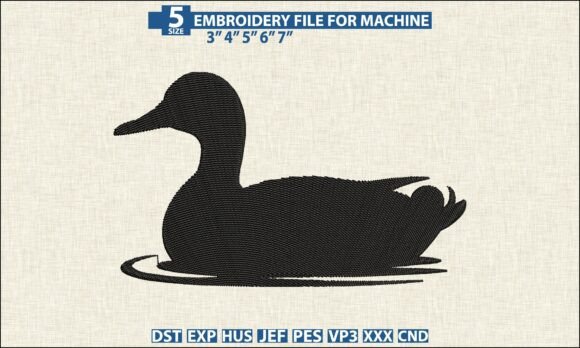
When I first loaded the preview of the Swimming Duck DST PES Embroidery Designs into my software, the mood was instantly clear. It is not a loud, cartoonish duck; rather, it is a classic silhouette gliding across stylized water. The description promises a serene touch, and visually, that is exactly what I see. For a craft fair product, this aesthetic hits a sweet spot between rustic charm and modern farmhouse elegance. It feels premium without being overly complex.
In the world of Birds and Embroidery, ducks are a staple, but they often lean toward novelty or humor. This design stands out because it leans into tranquility. It suggests lake house decor, outdoor living, and a love for nature. As an Etsy seller and boutique maker, I know that customers are looking for items that feel like they belong in a curated home. This digital embroidery file has the potential to transform a simple tote bag or tea towel into a giftable piece of art.
Evaluating Product Potential for the Booth
To succeed at a handmade market, a design must be versatile. I need to know where the Swimming Duck DST PES Embroidery Designs will shine brightest. I have laid out several test pieces to simulate my final booth display, and here is how the pattern performs across different mediums.
Tote Bags and Market Goods
The tote bag design application is perhaps the strongest contender here. When placed on a natural canvas or linen tote, the swimming duck silhouette creates a striking focal point. The contrast of the dark thread against the light fabric makes the image pop from a distance. For a craft fair, this is crucial. A customer walking past my table will see the movement of the duck and the ripples of the water before they even read the price tag. It transforms a utilitarian item into a statement piece for grocery shopping or beach days.
Kitchen Textiles: Aprons and Tea Towels
Apron embroidery and tea towel embroidery are perennial sellers, especially in the summer months. The Swimming Duck DST PES Embroidery Designs fits perfectly into the "lake life" theme that many buyers crave for their kitchens. On a flour sack cotton towel, the texture of the fabric adds depth to the stitches. However, I must be careful with the stitch density on these textured towels. If the density is too high, the design might pucker. On a smooth apron fabric, however, the classic silhouette looks crisp and professional, suggesting a high-quality finished product.
Caps, Patches, and Small Accessories
For hunting apparel or casual caps, this design offers a subtle nod to the outdoors. An embroidered patch version could be incredibly popular as a way for customers to customize their own gear. However, applying this to a curved cap surface requires precision. The water lines beneath the duck need to remain fluid; if the stabilizer is not perfect, those lines can distort. Similarly, on small fabric pouches, the design serves as a delightful accent, adding a touch of whimsy to otherwise plain accessories.
Practical Production Notes for the Designer
Before I commit to batch production for my small shop product line, I need to address the technical realities. While the visual appeal is high, the execution determines the profit margin.
Stitch Density and Fabric Texture
One area requiring close inspection is the water element. In some machine embroidery designs, the waves can become dense very quickly. I plan to run a test on scrap fabric that matches my intended final material. If the stitch density is too high on a thick fabric like denim or heavy canvas, the backing may show through, ruining the clean look. Conversely, on delicate fabrics, I will need a strong stabilizer to prevent shifting. The goal is to maintain the clarity of the silhouette without creating a stiff, plastic-like feel on the garment.
Thread Colors and Contrast
The magic of this design lies in the color palette. To make the Swimming Duck DST PES Embroidery Designs stand out on a booth display, I need to experiment with thread colors. A deep navy or forest green against cream works beautifully for a rustic vibe. However, if I use this on a dark fabric, I must ensure the thread provides enough contrast. Dark-on-dark can lose definition, making the duck blend into the background. For online listings, this means I must create multiple printable mockups showing the design on various backgrounds so customers can visualize the result.
Hoop Size and Placement
I need to confirm the hoop size requirements before purchasing bulk materials. If the design requires a large 10x10 hoop, it limits the types of products I can embroider efficiently. For a busy craft fair schedule, I prefer designs that fit comfortably in a standard 5x7 hoop, allowing me to produce more units in less time. Additionally, spacing is key. Whether it is a pillow cover or a shirt pocket, the design needs room to breathe. Crowding the edges can lead to registration issues and a messy finish.
Selling Strategy and Visual Impact
How does this design affect buyer engagement? The answer lies in storytelling. The Swimming Duck DST PES Embroidery Designs evokes a specific lifestyle. When I display these items, I am not just selling a towel; I am selling the feeling of a quiet morning on the lake. This emotional connection increases the perceived value of the handmade product.
For the Etsy seller or digital seller, this design asset is a goldmine for variety. By changing the fabric and thread, one design can yield dozens of unique SKUs. It allows for brand consistency while offering variety. A customer who loves the duck on a tote bag might also buy it on a pillow cover, increasing the average order value.
Final Checklist Before Production
Before I finalize my inventory for the weekend, here is my checklist for using this embroidery file:
- Test Run: Always embroider the Swimming Duck DST PES Embroidery Designs on a scrap of the actual fabric first.
- Stabilizer Check: Ensure the right type of stabilizer is used to support the water details without puckering.
- Color Matching: Select thread colors that offer maximum contrast for the best visual impact.
- Licensing: Confirm commercial licensing terms if I intend to sell the finished goods or the digital file itself.
- Mockups: Create high-quality photos of the finished product for both the physical booth and online store.
In conclusion, the Swimming Duck DST PES Embroidery Designs is a strong candidate for a successful craft fair season. It balances simplicity with character, making it an ideal choice for anyone looking to expand their collection of Birds and Embroidery patterns. With careful attention to fabric selection and thread placement, this design has the power to turn a simple craft into a cherished keepsake.