Seashell Embroidery Design: A Pro Review
As an embroidery designer who has spent years digitizing files for small businesses, I approach every new machine embroidery design with a critical eye. It is not just about whether the image looks pretty on a screen; it is about how that design performs when stitched out on real fabric, under the pressure of commercial deadlines, and in the hands of customers who expect durability. Today, I am reviewing the Seashell Embroidery Design, a file that promises to add a soft coastal touch to your collection. For boutique owners, Etsy sellers, and apparel decorators, understanding the practical application of this design is crucial before adding it to your library.
First Impressions: Visual Personality and Brand Fit
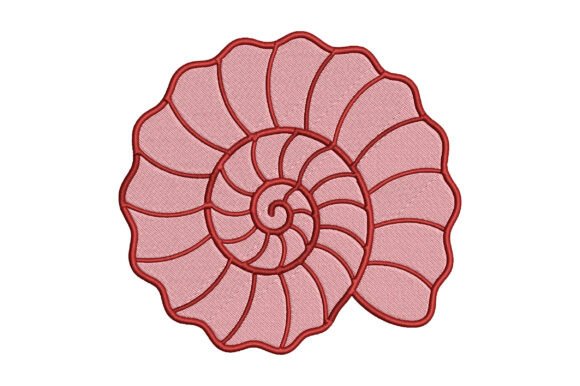
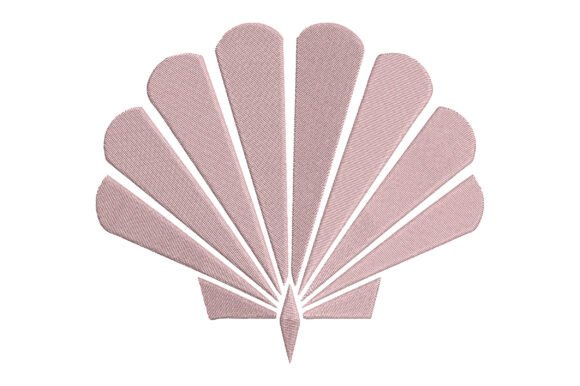
The first thing you notice about the Seashell Embroidery Design is its simplicity. In a market saturated with overly complex logos, this design stands out for its elegant seashell shape. It feels professional yet approachable, striking a balance between modern minimalism and classic decorative charm. For brands operating in the Summer niche, such as beachside cafes, surf shops, or coastal home decor stores, this aesthetic is immediately recognizable. It does not scream for attention but rather invites it, making it an excellent candidate for brands that value subtlety and sophistication over loud graphics.
From a branding perspective, this design conveys trust and calm. If you are running a handmade product line, using this motif can elevate the perceived value of your items. It suggests that your brand is thoughtful and curated. However, because it is simple, the execution must be flawless. There is no place for poor tension or loose threads when the design relies on clean lines and smooth curves.
Real-World Applications for Small Business Merch
When evaluating a new digital embroidery file, I always ask: where does this live on a product? The Seashell Embroidery Design is versatile, but it shines in specific areas of small business merch.
- Embroidered Patches: This is perhaps the strongest use case. The simple shape translates beautifully into a patch format. You can create iron-on or sew-on patches for customers to customize their own jackets or bags, creating an interactive element for your brand.
- Cap Embroidery: The curved front of a baseball cap can distort complex designs, but the streamlined nature of this seashell works well here. It serves as a subtle chest logo accent or a side-panel detail that does not overwhelm the wearer.
- Tote Bag Design: Canvas tote bags are a staple for eco-friendly brands. Placing this design on the lower corner or centered on the front creates a chic, understated look that appeals to shoppers looking for everyday usability mixed with style.
- Apron Embroidery: For bakeries, florists, or craft studios, branded aprons are essential. This design adds a touch of personality without looking like a corporate uniform. It feels handmade and personal, which aligns perfectly with customer expectations in these industries.
For those creating custom apparel, consider using this as a sleeve detail on summer t-shirts or as a pocket accent on work shirts. It acts as a signature mark rather than a main event, which often leads to higher wearability and customer satisfaction.
Technical Considerations and Stitch Density
While the visual appeal is strong, we must discuss the technical side. The description notes a "simple and elegant" shape, which usually implies lower stitch density compared to filled logos. This is generally good news for production speed and fabric puckering, but it requires careful handling.
Before running a full batch, you must test the design on the actual fabric texture you intend to use. On lightweight materials like jersey knits or thin cotton, even a simple design can cause pulling if the stabilizer is not chosen correctly. I recommend using a cut-away stabilizer for garments that will undergo frequent washing, such as staff uniforms or customer gifts. For tote bags and heavier canvas, a tear-away might suffice, but always test first.
Another critical factor is scale. Because the design is simple, shrinking it too much can cause the details to merge or disappear. If you plan to use this on small items like hat clips or tiny labels, ensure the hoop size allows for enough resolution. Always check the smallest recommended size provided by the digitizer. If that information is not explicitly clear in the product details, reach out to the seller or run a test stitch at various scales to find the breaking point.
Color Strategy and Thread Choices
The beauty of the Seashell Embroidery Design lies in its adaptability to different thread colors. For a classic nautical look, white or cream thread on navy blue fabric is timeless. However, do not limit yourself to traditional palettes. Try metallic gold or copper threads for a premium, boutique feel on black apparel. For a playful, summer vibe, pastel pinks, blues, and sandy beiges work wonderfully.
I advise testing the design in black and white first. This removes the distraction of color and lets you evaluate the contrast and definition of the stitches. If the design loses its shape in monochrome, it may lack the necessary definition for dark uniforms or low-light environments. Ensuring high contrast between the thread and the fabric is key to maintaining brand recognition.
Building Brand Identity and Customer Trust
Consistency is the cornerstone of brand identity. Using a cohesive set of design assets helps customers recognize your business instantly. The Seashell Embroidery Design can serve as a secondary logo or a recurring motif across your product line. When a customer sees this shell on a tote bag, then again on a thank-you card, and finally on a packaged item, it reinforces professionalism and attention to detail.
For Etsy sellers and crafters, this level of consistency builds trust. It signals that you are not just selling random items, but curating a brand experience. The finished product should look intentional. Use this design to create printable mockups for your online store, showing potential buyers how the embroidery looks on different items. This transparency reduces return rates and increases buyer engagement.
Final Verdict and Production Tips
The Seashell Embroidery Design is a solid addition to any designer’s library, particularly for those targeting the coastal, summer, or handmade markets. It is not just a decorative element; it is a functional tool for building brand presence on commercial embroidery projects.
Before you commit to large-scale production, follow these steps:
- Verify Licensing: Confirm that the license allows for commercial use on physical goods. Most digital files do, but always read the terms.
- Check File Formats: Ensure the download includes the format compatible with your machine (PES, DST, JEF, etc.).
- Create a Mockup: Use software to visualize the design on your specific products before stitching.
- Test on Scrap Fabric: Run a test stitch to check for thread breaks, nesting, or registration issues.
- Evaluate Wash Durability: Wash the test piece multiple times to ensure the design holds up to wear and tear.
In conclusion, this design offers a blend of elegance and practicality. It is simple enough to be versatile but distinct enough to be memorable. For small business owners looking to enhance their embroidered patch offerings or add a refined touch to their apparel, the Seashell Embroidery Design is worth considering. Just remember that the quality of the final product depends as much on your machine setup and material choices as it does on the digital file itself.