Panda Embroidery: A Designer's Practical Review
As a designer who has spent years navigating the delicate balance between digital files and physical thread, I approach every new machine embroidery design with a critical eye. The market is flooded with generic assets, so finding a piece that truly translates well from screen to fabric is a genuine relief. When I first opened the file for Panda Embroidery, my immediate goal was to determine if it could hold up in a real-world scenario for my craft business or if it would just be another pretty image that falls apart under scrutiny. This review breaks down how this specific design performs when you move beyond the preview window and into actual production.
First Impressions: Playful Personality and Clean Lines
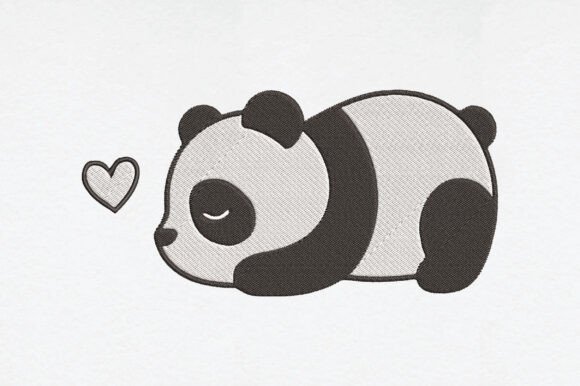
The initial visual impact of Panda Embroidery is undeniably charming. It captures a cute and playful style that immediately signals its intended home: the nursery or children's lifestyle market. Unlike many designs that rely on excessive complexity, this one uses clean stitch details to define the character. In the digital preview, the panda’s features are distinct without being cluttered. For an Etsy seller or a boutique owner, this clarity is crucial. It suggests that the finished product will look crisp even at smaller scales, which is often the biggest risk with animal-themed designs.
The layout feels balanced, making it versatile for various applications. Whether I am envisioning it as a small accent on a baby onesie or a focal point on a tote bag, the proportions hold together. The design does not feel overly dense, which is a major plus for maintaining the softness of the fabric underneath. This visual personality makes it an excellent candidate for personalized gifts where the emotional connection matters more than intricate realism.
Real-World Application: From File to Finished Product
To truly test the value of Panda Embroidery, I simulated a few common projects. Imagine preparing a custom embroidered tote bag for a local craft fair. Tote bags are a staple for small shop products, but they present challenges due to their texture and thickness. When I mentally mapped this design onto a canvas tote, the clean lines of the panda stood out beautifully against the natural weave. The fill stitch areas appear sufficient to provide coverage without creating a stiff, plastic-like patch on the fabric.
I also considered using this for sweatshirt embroidery. Hoodies and sweatshirts are popular for custom apparel, but the fleece texture can sometimes swallow fine details. Because this design relies on bold shapes rather than tiny, intricate running stitches, it should translate well to the fuzzy surface of a sweatshirt. The contrast between the black and white elements of the panda would likely pop, ensuring high visibility and professional presentation.
For parents looking for baby embroidery items, such as pillow covers or blanket accents, the soft aesthetic of the panda fits perfectly. It adds a touch of whimsy without overwhelming the item. In a commercial setting, offering this as part of a holiday embroidery collection or a nursery bundle could drive significant buyer engagement. The design is simple enough to appeal to a broad audience yet unique enough to stand out among generic competitors.
Navigating Fabric and Hoop Challenges
While Panda Embroidery shows great promise, practical application requires careful consideration of materials. If you plan to use this on thin or stretchy fabrics, such as jersey knit t-shirts, you must be vigilant about stabilizer choice. Without proper backing, the tension from the satin stitch outlining the panda could cause puckering, ruining the professional look of your handmade product.
Similarly, working with dark fabrics requires a strategic approach to thread colors. While the design is naturally suited for black and white, stitching white thread over a dark background demands precision to avoid show-through or uneven coverage. You may need to adjust the density of the fill stitch or add an underlay to ensure the panda remains bright and defined. On textured fabrics like denim or heavy canvas, the design holds up well, but always check the stitch density to prevent needle breakage or skipped stitches in thick layers.
Curved surfaces, such as caps or hats, present another variable. The rounded nature of the panda works well here, but you must confirm the hoop size matches your cap frame. If the design is too large for the hoop, distortion will occur, warping the cute features into something unrecognizable. Always test the dimensions before committing to expensive merchandise.
Designer Notes for Professional Results
If you are integrating Panda Embroidery into your workflow, whether for personal use or a craft business, follow these practical steps to ensure success:
- Test on Scrap Fabric First: Never skip this step. Run the design on a scrap piece of the exact fabric you intend to use. This reveals issues with tension, density, and color placement that are invisible on a computer screen.
- Check Thread Contrast: Ensure the thread colors you select offer enough contrast against the base fabric. High contrast improves the readability of the design and enhances the overall visual appeal.
- Review Stitch Density: Inspect the file to see if any areas are too dense. Overly dense stitching can make the fabric stiff and prone to cracking after washing.
- Confirm Hoop Size: Verify that the design fits comfortably within your machine's hoop. A cramped fit leads to registration errors and poor quality.
- Use Proper Stabilizer: Select a stabilizer appropriate for your fabric type. Tear-away is good for stable fabrics, while cut-away is essential for knits and stretchy materials.
- Inspect Small Details: Look closely at the eyes and ears of the panda. These small details can easily get lost if the machine settings aren't calibrated correctly.
- Test Mockups: Create both light and dark fabric mockups to visualize how the design looks in different contexts. This helps in creating accurate printable mockups for your online listings.
- Verify Licensing: Before selling finished items or digital products, confirm the licensing terms. Ensure you have the right to use this digital embroidery file for commercial purposes.
Final Verdict on Visual Appeal and Value
In conclusion, Panda Embroidery is a solid asset for designers and makers looking to expand their offerings in the Nursery category. Its clean execution and playful charm make it a reliable choice for custom apparel, tote bag design, and embroidered patches. It strikes a balance between simplicity and character, ensuring that the finished product looks professional and appealing to customers.
For the small shop product creator, this design offers a low-risk opportunity to create high-value items. The clear lines reduce the chance of stitching errors, and the universal appeal of pandas ensures broad marketability. However, success depends on your attention to detail regarding fabric preparation and machine settings. By treating this embroidery project with the respect it deserves—testing thoroughly and choosing the right materials—you can create a standout piece that builds customer trust and enhances your brand consistency.
Whether you are a hobbyist making a personalized gift or an entrepreneur building a line of commercial embroidery goods, this design provides a strong foundation. It reminds us that sometimes the most effective design assets are those that prioritize clarity and character over unnecessary complexity. With the right execution, Panda Embroidery can become a favorite in your portfolio.