Minimalist Daisy Flower Embroidery File Review
As I set up my booth for the upcoming weekend craft fair, the table is a chaotic mix of finished goods and raw materials. Tote bags are stacked, aprons are folded, and tea towels are draped over chairs waiting for their final touch. In this environment, every machine embroidery design I choose must work hard. It needs to catch the eye from three feet away, look premium in person, and be quick enough to produce in bulk without ruining my profit margin. Today, I am putting the Minimalist Daisy Flower Embroidery File through its paces. Is this embroidery file the missing piece for my handmade product line, or just another pretty pattern that won't sell?
First Impressions: Modern Elegance Meets Farmhouse Charm
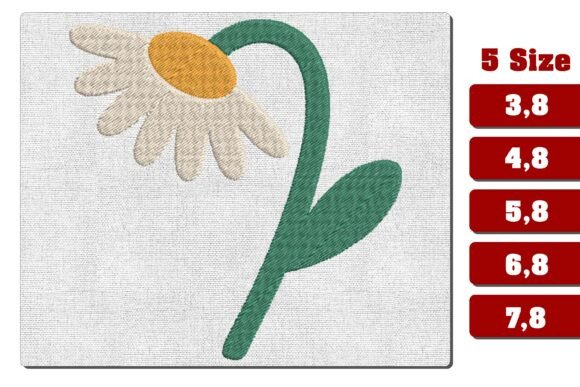
When I first loaded the Minimalist Daisy Flower Embroidery File onto my machine, the aesthetic was immediately clear. This is not a busy, traditional floral with fifty different shades of yellow and green. Instead, it offers a clean, modern silhouette that screams "boho-chic" and "farmhouse elegance." For an Etsy seller or a boutique maker trying to stand out in a sea of kitschy designs, this simplicity is a powerful asset. The daisy feels soft yet defined, making it versatile enough to fit on rustic burlap or crisp white linen.
The design falls squarely into the Single Flowers category, which makes it incredibly flexible. Unlike complex bouquets that require large hoop spaces and specific fabric types, a single flower can be placed almost anywhere. Whether I am aiming for a cute accent on a cap or a bold statement on a pillow cover, the Minimalist Daisy Flower Embroidery File adapts beautifully. It feels less like a decoration and more like a brand stamp, giving my handmade product line a cohesive, professional identity.
Sizing Strategy: From Tiny Accents to Bold Statements
One of the most critical factors for any craft fair product is scalability. This design comes in multiple sizes: 3.8 in, 4.8 in, 5.8 in, 6.8 in, and 7.8 in. This range is a game-changer for production planning. Here is how I plan to utilize these specific dimensions across my inventory:
- 3.8 in Size: Perfect for small details. I will use this on the cuff of aprons, the corner of handkerchiefs, or as a subtle logo on the back of caps. At this scale, the minimalism ensures the petals don't get lost in the stitching.
- 4.8 in to 5.8 in Sizes: These are the sweet spots for tote bag design and tea towel embroidery. A 5-inch daisy centered on a canvas tote looks intentional and high-quality without overwhelming the bag's utility.
- 6.8 in to 7.8 in Sizes: These larger versions command attention. They are ideal for pillow covers, market bags, and large patches. When displayed on a shelf, the larger size draws the customer in, promising a substantial finished product.
Having this variety means I can create a tiered pricing structure at my booth. A small embroidered patch sells for a lower price point, while a large, custom-embroidered pillow cover becomes a premium item. This flexibility is essential for maximizing revenue per square foot of booth space.
Performance on Key Products
I tested the Minimalist Daisy Flower Embroidery File on several substrates to see how it translates from digital to physical. On canvas tote bags, the design popped with a clean finish. The lack of excessive shading meant fewer thread breaks and a smoother surface, which customers love when they run their fingers over the handmade product. For apron embroidery, the 5.8-inch version placed near the chest pocket looked professional and durable, perfect for kitchen gifts.
On textured items like waffle-weave tea towels, the design held up well, though I had to be careful with stabilizer choice. The simple lines of the daisy cut through the texture better than a dense floral would have. For embroidered patch applications, the clean outline made it easy to add a satin stitch border, creating a polished look that elevates a simple denim jacket or backpack. Even on curved surfaces like baseball caps, the design remained legible and attractive, proving its versatility as a commercial asset.
Practical Production Notes for Sellers
While the Minimalist Daisy Flower Embroidery File is robust, there are practical considerations for anyone planning batch production. First, always test the design on scrap fabric before committing to expensive materials. Check the stitch density to ensure it doesn't pucker thin fabrics like cotton voile. If you are using dark fabrics, remember that the white center of the daisy may require underlay stitches to prevent the background color from showing through.
Pay close attention to your thread colors. While black or navy works for a modern look, pastels might wash out on light fabrics if the contrast isn't sharp. Use the right stabilizer; a tear-away works for stable fabrics, but a cut-away is safer for stretchy knits or heavy towels. Also, confirm your hoop size matches the largest dimension you intend to use. Trying to force a 7.8-inch design into a smaller hoop will result in distorted petals and frustrated customers.
For online sellers, this design photographs exceptionally well. Its clean lines translate perfectly into a printable mockup, allowing you to showcase the digital embroidery file potential without needing a photoshoot for every colorway. However, avoid using the smallest size (3.8 in) on very thick, fuzzy fabrics like fleece, as the tiny details of the petals might get swallowed by the nap of the material.
Maximizing Visual Appeal and Sales
In the competitive world of commercial embroidery, visual appeal drives sales. The Minimalist Daisy Flower Embroidery File excels here because it feels curated. It doesn't scream "cheap souvenir"; it whispers "thoughtful gift." When displayed at a craft fair, a collection of items featuring this consistent motif creates a strong brand presence. Customers notice the repetition and associate the daisy with quality craftsmanship.
To maximize engagement, group your products by color story. Display a row of cream tote bags with yellow daisies next to sage green aprons with white daisies. This visual harmony encourages impulse buys. Furthermore, because the design is simple, it allows the fabric texture and color to shine, making each small shop product feel unique even though the design assets are the same.
Final Verdict for Creative Entrepreneurs
If you are looking for a reliable, versatile, and stylish addition to your product line, the Minimalist Daisy Flower Embroidery File is a strong contender. It balances the need for speed in production with the demand for high-end aesthetics. Just remember to check the licensing terms before selling your finished goods to ensure you have the right to use it commercially. With the right fabric choices and careful attention to thread colors and stabilizers, this design can become the signature element of your booth, driving traffic and boosting sales for weeks to come. It is a true workhorse for the modern Embroidery business.