Cute Fish Embroidery Design: A Real-World Review
As a designer who has stitched everything from high-end custom apparel to small-batch Etsy shop merchandise, I approach every new machine embroidery design with a critical eye. The market is flooded with generic patterns, so finding a piece that actually translates well from the screen to the fabric is rare. Recently, I tested the Cute Fish Embroidery Design to see if it holds up under real-world scrutiny. My goal was to determine if this file is merely a digital novelty or a viable asset for a serious craft business.
First Impressions: Character and Composition
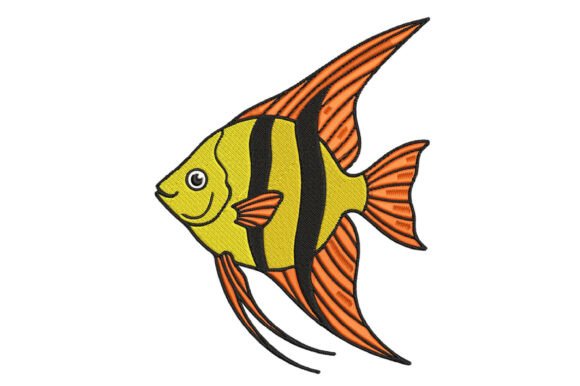
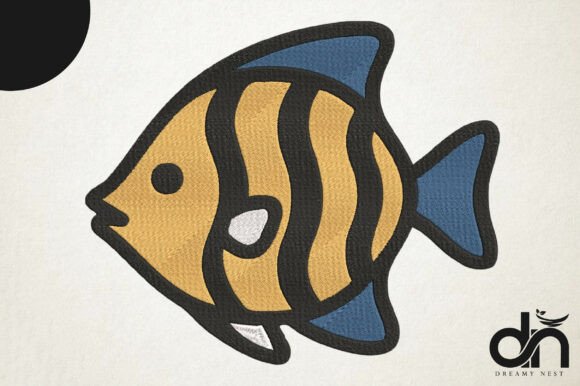
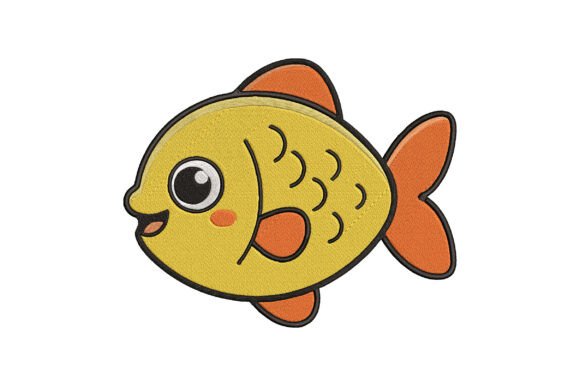
When I first opened the embroidery file, the immediate impression was one of playful charm. The design features an adorable smiling fish with big expressive eyes, a combination that instantly signals "friendly" and "approachable." In the world of handmade products, character is currency. This isn't just a biological illustration; it is a stylized mascot waiting to be placed on a canvas. The layout feels balanced, avoiding the common pitfall of being too top-heavy or having awkward negative space that requires excessive filler stitches.
The visual personality here is distinctly whimsical. It screams "nursery decor" or "beach-themed gift," but its simplicity suggests versatility. For an Etsy seller or a boutique owner looking to add a pop of color to their catalog, this design offers a distinct mood without overwhelming the garment. The bright colors implied in the preview suggest a need for vibrant thread colors, which can significantly elevate the perceived value of a finished product.
Stitching Performance and Fabric Interaction
Moving from the screen to the machine, the true test begins. How does the Cute Fish Embroidery Design behave when the needle starts moving? One of my primary concerns with cartoon-style designs is stitch density. If the fill areas are too dense, they can pucker thin fabrics; too sparse, and the backing shows through. Upon reviewing the structure, the design appears to utilize a mix of fill stitch for the body and likely satin stitch for the outlines and details like the eyes and mouth.
This combination is crucial for custom apparel. Satin stitches provide that crisp, professional edge that defines the shape, while fill stitches give the fish volume. However, I advise any small shop product creator to check the stitch density settings before running a full production batch. On a textured fabric like a heavy cotton tote bag or a fleece sweatshirt, the design should sit well, provided you use the correct stabilizer. Without adequate stabilization, the curved fins and tail could distort, ruining the cute aesthetic.
I also considered how this would work as an embroidered patch. The clean lines of the fish make it an excellent candidate for cutting out and ironing onto denim jackets or backpacks. The lack of overly intricate internal detailing means the edges will cut cleanly, a vital factor for commercial embroidery where consistency across dozens of items is required.
Real-Life Application: The Baby Gift Scenario
To truly evaluate the utility of the Cute Fish Embroidery Design, I imagined a specific client request: a personalized baby shower gift set. Imagine a soft, light-blue onesie or a plush pillow cover intended for a nursery. The "big expressive eyes" mentioned in the description are perfect for capturing the attention of young children. In this scenario, the design transforms from a simple graphic into an emotional connection point for the parents.
If I were producing this as a personalized gift, I would pair the fish with a monogrammed name below it. The cheerful nature of the fish balances the formality of a name, creating a cohesive look. For a holiday embroidery project, perhaps a beach-themed Christmas stocking or a summer birthday towel, this design fits seamlessly. It avoids the clutter often found in holiday designs, offering a fresh alternative to traditional motifs. The key here is placement; centering it on a bib or placing it on the chest of a onesie ensures maximum visibility and impact.
Considerations for Apparel Decorators
While the design is versatile, there are scenarios where caution is needed. If you plan to use this on dark fabric, the white or light-colored thread used for the eyes and highlights will need to be very precise. Any shifting during stitching could result in a blurry effect, diminishing the "cute" factor. Similarly, on stretchy fabrics like jersey knit for t-shirts, the hoop tension must be managed carefully to prevent the fabric from stretching out of shape around the fish's body.
For sweatshirt embroidery, the looped texture of the fleece can sometimes swallow fine details. I recommend testing the hoop size and ensuring the stabilizer is strong enough to support the weight of the thread without sinking into the loops. If you are creating a tote bag design, the flat weave of canvas is ideal, allowing the stitches to lie flat and the colors to pop against the background.
Business Viability and Brand Consistency
From a commercial perspective, does the Cute Fish Embroidery Design help build a brand? Absolutely. Consistency in style is key for digital product sellers and creative entrepreneurs. If your brand focuses on whimsical, family-friendly items, this design acts as a perfect anchor. It creates a recognizable visual language that customers can associate with your shop.
However, before listing items made with this design on platforms like Etsy, you must confirm the licensing terms. Many digital embroidery files have restrictions on selling the finished goods versus selling the file itself. As a responsible maker, always verify if the license allows for commercial embroidery projects. Using a design without proper rights can jeopardize your entire business reputation.
Practical Designer Notes for Success
To ensure the best results with this embroidery project, follow these practical steps:
- Test on Scrap Fabric: Never skip the test run. Stitch the design on a scrap of the exact fabric you intend to use to check for puckering or thread breaks.
- Check Thread Contrast: Ensure the thread colors you select offer enough contrast against the fabric. A yellow fish on a beige shirt might get lost.
- Inspect Small Details: Zoom in on the eyes and smile. These are the focal points. If they look pixelated or muddy in the preview, adjust the machine settings or consider a slightly larger scale.
- Mockup Testing: Create a printable mockup or a digital preview to visualize how the design looks on different products before committing to materials.
- Stabilizer Selection: Use a tear-away stabilizer for stable fabrics and a cut-away for stretchy knits to maintain the integrity of the fish's shape.
The Cute Fish Embroidery Design is more than just a pretty picture; it is a functional tool for makers who understand the nuances of textile art. With its charming aesthetic and adaptable structure, it has the potential to become a staple in your collection of design assets. Whether you are crafting a single personalized gift or launching a line of small shop products, this design brings a level of joy and professionalism that resonates with buyers. Just remember to respect the technical requirements of your machine and fabric, and you will create something truly special.