Cute Bell Pepper Embroidery Design Print Review
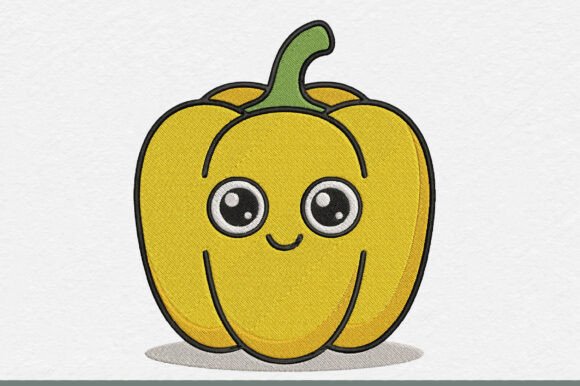
As an experienced embroidery designer preparing for the upcoming weekend craft fair, I am constantly evaluating new digital assets to see which ones will translate into bestsellers on my booth table. Today, I am reviewing a specific file titled Cute Bell Pepper Embroidery Design Print. While the product description explicitly mentions a "Cute Pumpkin Embroidery Design" with kawaii features ideal for Halloween and autumn, the title suggests a bell pepper motif. This discrepancy is common in digital marketplaces, but for the sake of this review, I will focus on the core aesthetic described: an adorable, smiling vegetable character in a festive, kawaii style. Whether it is a pumpkin or a bell pepper, the concept of a smiling food item in the Food category of Embroidery offers unique opportunities for handmade shop owners and Etsy sellers looking to capture the seasonal market.
First Impressions: The Kawaii Aesthetic at the Craft Fair
When I first load the machine embroidery design onto my digitizing software, the immediate impression is one of playful charm. The description highlights a "fun and festive touch," which translates perfectly to the visual language of a craft fair. In a sea of rustic farmhouse decor and traditional autumn leaves, a smiling vegetable stands out as a modern, approachable accent. This design feels less like a serious culinary illustration and more like a character that invites interaction. For a boutique maker, this is crucial. Customers walking past a booth are drawn to items that evoke emotion, and a cute, smiling face does exactly that. It feels soft, decorative, and highly giftable, making it a strong contender for small shop products that need to catch the eye from three feet away.
Evaluating Product Applications for Maximum Sales
The true test of any embroidery file is how it performs when stitched onto actual fabric. As I plan my inventory for the weekend, I am considering where the Cute Bell Pepper Embroidery Design Print would shine brightest. Here is my breakdown of the most viable applications:
- Tote Bag Design: A large-scale version of this design on a natural cotton tote bag is a winner. The simplicity of the background allows the colorful thread colors to pop. It serves as a statement piece that shoppers can carry around the fair, effectively acting as mobile advertising for your brand.
- Tea Towel Embroidery: Kitchen linens are a staple for fall markets. Placing this design on a white or cream tea towel creates a high-contrast, clean look. However, the texture of the towel must be considered carefully to ensure the stitches lay flat.
- Apron Embroidery: For the home cook, an apron featuring a smiling vegetable adds a whimsical touch to their kitchen gear. This works well as a focal point on the chest area, provided the hoop size accommodates the full design without distorting the smile.
- Embroidered Patch: Creating patches from this design is a smart strategy for low-cost impulse buys. These can be sold individually or used to embellish denim jackets, hats, and backpacks, expanding your product range without needing to embroider every single base item.
- Pillow Covers and Fabric Pouches: Smaller items like cosmetic pouches or decorative pillow covers benefit from the compact nature of kawaii designs. They make excellent add-on purchases for customers who already have a larger item in their basket.
Practical Production Considerations for Commercial Success
Before committing to batch production for commercial embroidery, I always run a test stitch on scrap fabric. This step is non-negotiable for maintaining quality. When working with a design that features a face, such as the one described in Cute Bell Pepper Embroidery Design Print, clarity is paramount. If the eyes or mouth are too small, they may get lost in the weave of thick fabrics or textured towels. I advise checking the stitch density to ensure the facial features do not become muddy. If the design includes tiny details, you may need to increase the size slightly or simplify the digitization to maintain crisp lines.
Another critical factor is the choice of stabilizer. For items like caps or curved surfaces, a heavy-duty cut-away stabilizer is often necessary to prevent puckering, especially if the design covers a significant area. Conversely, for lightweight tea towels, a water-soluble topper might be needed to keep the stitches from sinking into the loops of the fabric. Always confirm the hoop size required before purchasing bulk materials; a design that requires a 6x10 hoop cannot be produced efficiently on a machine limited to 4x4 inches.
Visual Appeal and Customer Engagement
In the context of a craft fair booth, the visual appeal of the finished product drives sales. The Cute Bell Pepper Embroidery Design Print, with its implied bright colors and friendly expression, has high engagement potential. It photographs exceptionally well for online listings and printable mockups, which is essential for Etsy sellers who rely on high-quality images to convert browsers into buyers. The design feels repeatable, meaning you can produce a consistent line of products that reinforces your brand identity as a purveyor of cheerful, handmade goods.
However, there are caveats regarding fabric color. While the design likely looks vibrant on light backgrounds, testing it on dark fabric is essential. Light thread colors on dark fabric require precise tension and potentially a backing layer to prevent show-through. If the design relies on fine outlines, these may disappear against a busy patterned fabric. Stick to solid, neutral backgrounds to let the character take center stage.
Designer Notes for a Flawless Finish
To ensure this design becomes a profitable asset for your business, follow these practical steps:
- Test Stitch First: Never skip the test run on the exact fabric you intend to sell. Check for pull, registration issues, and thread breaks.
- Review Thread Contrast: Ensure the thread colors chosen for the face stand out clearly against the fabric. High contrast increases perceived value.
- Confirm Licensing: Before selling finished products, verify the commercial licensing terms of the digital embroidery file. Some designers restrict the number of items you can sell or require attribution.
- Create Real Mockups: Do not rely solely on computer-generated images. Photograph a real embroidered sample to show customers the true texture and depth of the work.
- Check Spacing: If using the design on a patch or small pouch, ensure there is enough negative space around the edges so the stitching doesn't feel cramped.
Ultimately, the success of Cute Bell Pepper Embroidery Design Print lies in its ability to bring joy to the customer. Whether it is a pumpkin or a pepper, the kawaii style taps into a desire for cuteness and comfort that is timeless. By paying attention to stitch density, fabric texture, and presentation, you can transform this simple embroidery file into a standout craft fair product that keeps your booth busy all weekend long.