Coconut Tree Embroidery Design Review
As an experienced embroidery designer who has spent years refining the look and feel of custom apparel, I approach every new machine embroidery design with a critical eye. Today, I am reviewing the Coconut Tree Embroidery Design to determine its viability for an upcoming limited drop of premium sweatshirts for a small boutique brand. This is not just about downloading an embroidery file; it is about understanding how a digital asset translates into a tangible, high-quality finished product that resonates with customers.
First Impressions: Mood and Aesthetic
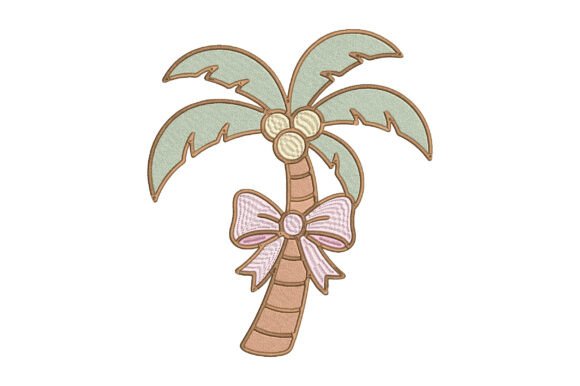
When I first loaded the Coconut Tree Embroidery Design into my digitizing software, the immediate impression was one of relaxed elegance. The layout suggests a natural, organic flow that fits perfectly within the Forest category while maintaining a distinct tropical identity. For a boutique brand aiming to evoke a sense of escape or summer nostalgia, this design offers a compelling visual narrative. It feels neither too rustic nor overly polished; instead, it strikes a balance between playful and feminine, making it versatile for various seasonal collections.
The detail level appears sufficient to capture the texture of palm fronds without becoming cluttered. In the world of sweatshirt embroidery, clarity is king. If a design is too dense, it can pucker the fabric; if it is too sparse, it lacks impact. The Coconut Tree Embroidery Design seems to navigate this middle ground effectively, promising a stitch pattern that will stand out against the soft fabric texture of a heavyweight cotton blend.
Evaluating Placement on Premium Sweatshirts
For our upcoming collection, we are considering several placement options. The Coconut Tree Embroidery Design is particularly well-suited for the left chest area of a hoodie. On a neutral-colored sweatshirt, such as oatmeal, cream, or heather grey, the design would likely pop with a sophisticated minimalism. Imagine a customer wearing an oversized hoodie with this subtle yet distinctive tree motif; it signals a curated taste without shouting for attention.
However, versatility is key for any small shop product. I also envision this design scaled up for the back of a crewneck sweatshirt. On dark fabrics like charcoal or midnight blue, using contrasting thread colors—perhaps a vibrant teal or a warm gold—could transform the piece into a bold statement. The design's structure allows for this flexibility, ensuring it remains readable whether it is a small accent or a large focal point.
Another exciting application is sleeve accents. Placing a smaller version of the Coconut Tree Embroidery Design on the cuff or upper arm of a pastel pink or sage green hoodie could add a touch of whimsy. This approach works exceptionally well for lifestyle product photography, where close-up shots highlight the craftsmanship and detail of the handmade product.
Practical Designer Concerns
Before committing to production, I must address several technical considerations that separate professional results from amateur attempts. First, stitch density is crucial. Sweatshirts have a thicker pile than t-shirts, which means the needle must penetrate deeper. If the Coconut Tree Embroidery Design has areas of excessive density, it could cause the fabric to tunnel or pucker, ruining the drape of the garment. I recommend running a test run on a scrap piece of the actual sweatshirt material to verify the density settings.
Secondly, the choice of stabilizer cannot be overlooked. For heavy fleece or French terry, a cutaway stabilizer is often necessary to support the weight of the stitches and prevent distortion over time. Without proper stabilization, even the most beautiful commercial embroidery can fail after a few washes. Durability is non-negotiable for building buyer trust in a boutique brand.
We must also consider hoop size limitations. While the design looks great digitally, physical constraints dictate what fits in a standard 5x7 or 6x10 hoop. If the Coconut Tree Embroidery Design requires a larger hoop than your machine supports, you may need to split the design, which can affect the seamlessness of the final look. Always check the dimensions before purchasing the digital embroidery file.
Furthermore, thread color contrast plays a massive role in visibility. On light pastels, white thread might disappear, while black thread could look too harsh. Testing different thread colors against your specific fabric swatches is essential to ensure the design maintains its intended mood. The goal is to create a cohesive aesthetic where the embroidery enhances the garment rather than competing with it.
Impact on Brand Identity and Sales
Incorporating the Coconut Tree Embroidery Design into a collection does more than just decorate clothing; it elevates the perceived value of the entire line. High-quality embroidery suggests care, attention to detail, and a commitment to quality. For an Etsy seller or a creative entrepreneur, these details are what differentiate a generic mass-produced item from a unique, handcrafted treasure.
Visual recognition is another powerful factor. A consistent use of nature-inspired motifs like this tree can become part of your brand's signature style. When customers see the design in a printable mockup or on a social media post, they begin to associate that imagery with your brand identity. This builds a stronger emotional connection and encourages repeat purchases.
Moreover, offering custom apparel with intricate designs like this allows for higher price points. Customers are willing to pay a premium for items that feel special and exclusive. The Coconut Tree Embroidery Design provides that "wow" factor, turning a simple sweatshirt into a conversation starter. Whether displayed in a physical boutique or showcased online through high-resolution photos, the design enhances customer engagement and drives sales.
Final Thoughts for Creators
As I finalize my review, the Coconut Tree Embroidery Design proves to be a robust asset for any serious creator. It offers the perfect blend of artistic flair and practical functionality required for modern apparel decorators. However, remember that the success of the project depends on execution. Always verify the design assets against your specific machinery and materials.
Check the stitch count to ensure it aligns with your production timeline, confirm the file format compatibility with your software, and review the license terms to ensure you have the rights for commercial use. By taking these steps, you ensure that your hoodie design not only looks stunning but also performs flawlessly in the hands of your customers.
Ultimately, this design represents an opportunity to infuse your brand with a touch of nature and creativity. Whether you are launching a seasonal collection or expanding your catalog of Embroidery products, the Coconut Tree Embroidery Design is a worthy contender for your next big hit. Let the details speak for themselves and watch your small shop product flourish in the marketplace.